
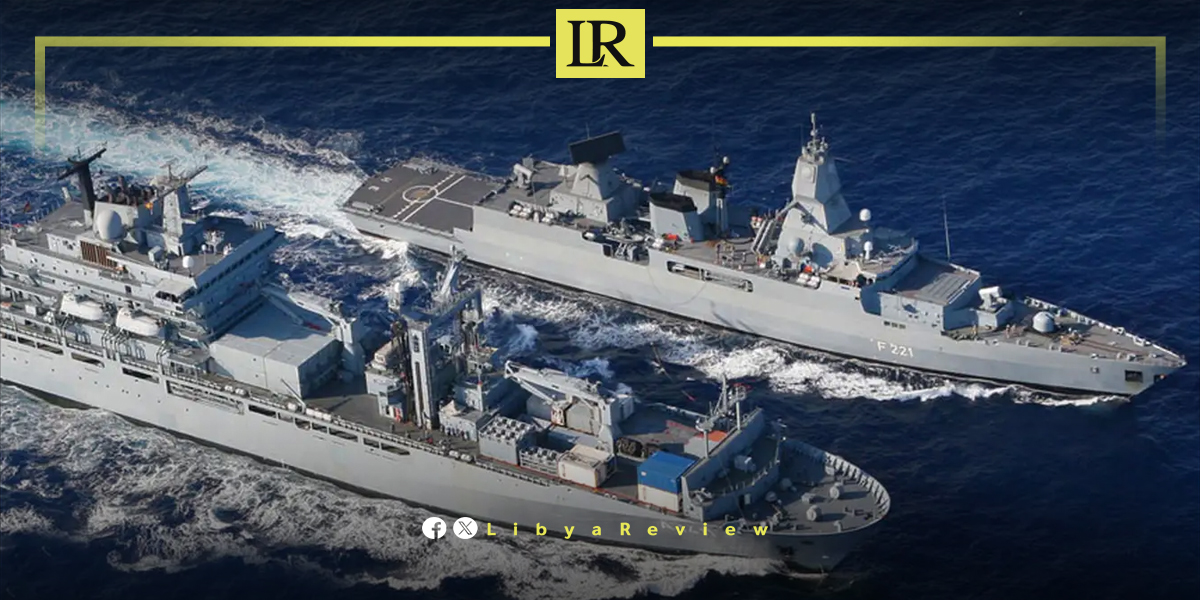
Germany has warned ships flying its flag to exercise heightened caution off the Libyan coast after reportedly classifying the Libyan Coast Guard as an “aggressive entity,” according to an analytical report by the US news platform Daily Kos.
The report said the move marks a significant escalation in maritime security awareness in waters off Libya, particularly along irregular migration routes in the central Mediterranean. It also pointed to growing risks facing commercial, civilian, and humanitarian vessels operating near Libya’s exclusive economic zone and search-and-rescue area.
Human Rights Groups Criticise Germany’s Late Response
Human rights advocates said Germany’s recognition of violence and insecurity on the route came far too late. Civil rescue organisations have long documented repeated attacks, threats, and dangerous interceptions involving migrants and rescue ships in the Mediterranean.
The report said the criticism reflects wider anger over European policies, as Germany and the European Union have continued to fund, train, and cooperate with Libyan maritime forces despite years of allegations of abuses.
German Ships Urged to Avoid Risks Near Libya
German authorities have reportedly warned vessels sailing under the German flag to take special precautions in waters off Libya. The warning highlighted particular risks to humanitarian aid and search-and-rescue ships, following repeated shooting incidents involving civilian rescue vessels.
Berlin-based rescue groups SOS Humanity and Sea-Watch criticised the warning, saying it amounted to a delayed official acknowledgment of dangers they had raised since civilian rescue missions began in the Mediterranean in 2015.
Marie Michel, a political expert at SOS Humanity, said Germany’s Interior Ministry had recognised violence by Libyan actors at sea only after years of warnings. She cited the August 2025 shooting incident involving the rescue ship Ocean Viking as evidence of growing threats to civilian vessels.
Questions Over EU Migration Policy
The report also questioned why migrants fleeing war, persecution, and poverty continue to be forced onto dangerous routes through Libya if the same waters are now considered unsafe for civilian ships.
It said the issue raises broader questions about whether European governments value the lives of migrants differently from the safety of commercial shipping interests.
Rescue Restrictions Add to Mediterranean Dangers
According to the report, Germany’s warning did not address the EU’s increasing restrictions on civilian search-and-rescue operations in the central Mediterranean. Rights groups argue that such restrictions have made the route more dangerous and left migrants trapped between deadly sea crossings and abusive conditions in Libya.
The report added that the EU continues to expand strict migration-control policies despite longstanding reports of detention, abuse, human trafficking, forced labour, and modern slavery affecting migrants in Libya.
Freedom United has previously warned that tougher European strategies, including external return centres, could create legal loopholes that make abuses harder to monitor and challenge.
The report concluded that such measures are unlikely to stop irregular migration. Instead, they may push vulnerable people toward more dangerous routes while strengthening human trafficking networks.

