
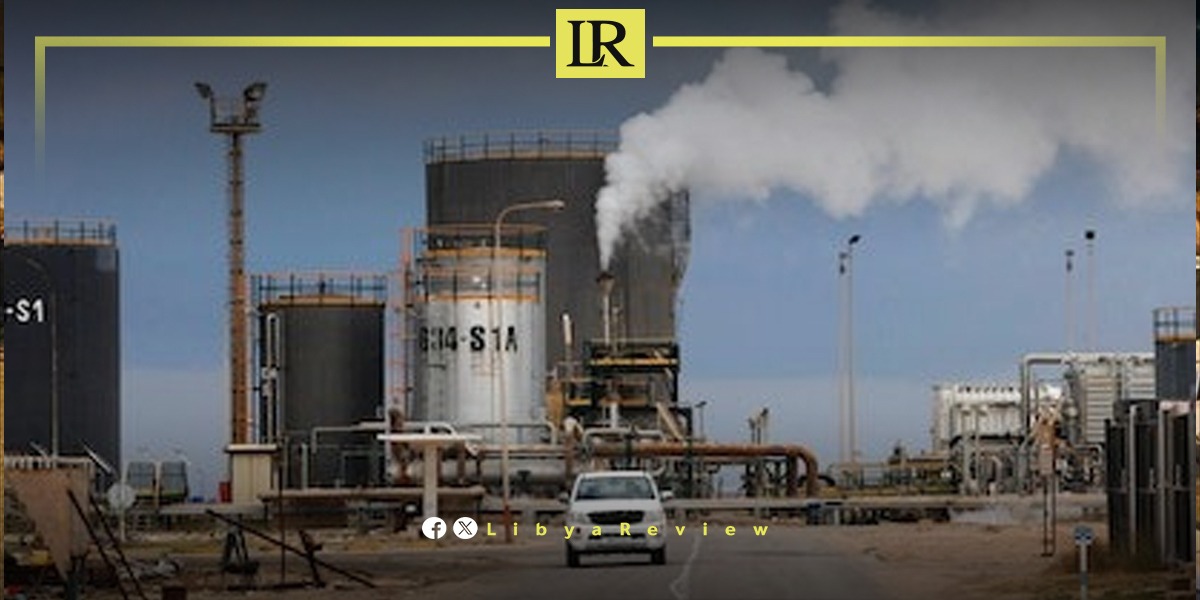
Libya’s oil sector is experiencing one of its strongest periods in more than a decade, with production approaching 1.4 million barrels per day and revenues reaching record levels. However, a new report by the US-based financial magazine Global Finance argues that political divisions and institutional fragmentation continue to prevent the country from fully benefiting from its energy wealth.
According to the report, Libya’s upstream oil industry has demonstrated remarkable resilience, maintaining strong export performance and attracting renewed interest from major international energy companies. Yet the country’s downstream sector—including refining capacity, fuel distribution networks, and fuel import systems—remains burdened by years of instability and institutional disputes that have persisted since 2011.
The report noted that Libya’s National Oil Corporation generated approximately $2.82 billion in oil revenues during April, followed by nearly $4 billion in May, the highest monthly revenue figure recorded in more than ten years. Despite these gains, the transformation of oil wealth into direct economic benefits for citizens remains uneven.
One of the clearest examples of this imbalance, according to Global Finance, is the fuel market. While Libya imported a record volume of fuel in May, including 17 gasoline tankers contracted by the National Oil Corporation, several cities in western Libya continued to experience shortages and long queues at fuel stations. The situation highlighted persistent weaknesses in distribution and supply management despite abundant energy resources.
The report also pointed to financial bottlenecks affecting the flow of oil revenues into the broader economy. It noted that only a portion of the revenues generated from oil exports ultimately reaches the Central Bank of Libya after deductions for fuel imports and other financial settlements, creating delays in the transfer of funds into the state’s financial system.
Global Finance described the Central Bank as a critical institution at the heart of Libya’s economic and political landscape. As the sole legal recipient of hydrocarbon revenues, the bank plays a central role in funding salaries, imports, and foreign currency allocations. As a result, disputes over its leadership and authority have repeatedly affected the stability of the energy sector.
The report recalled that political disagreements surrounding the Central Bank last year contributed to a significant decline in oil production, demonstrating how closely Libya’s energy output remains tied to broader political developments.
At the same time, international confidence in Libya’s energy potential continues to grow. Following the country’s first licensing round in 17 years, major global energy firms—including Chevron, Eni, QatarEnergy, Repsol, BP, Shell, ExxonMobil, TotalEnergies, and ConocoPhillips—have expanded their investments and exploration activities.
Global Finance concluded that Libya’s greatest challenge is no longer geological but institutional. While production is stable and investment is returning, unresolved political disputes and competing centers of authority continue to limit the country’s ability to convert record oil revenues into sustainable economic growth and long-term national development.

