
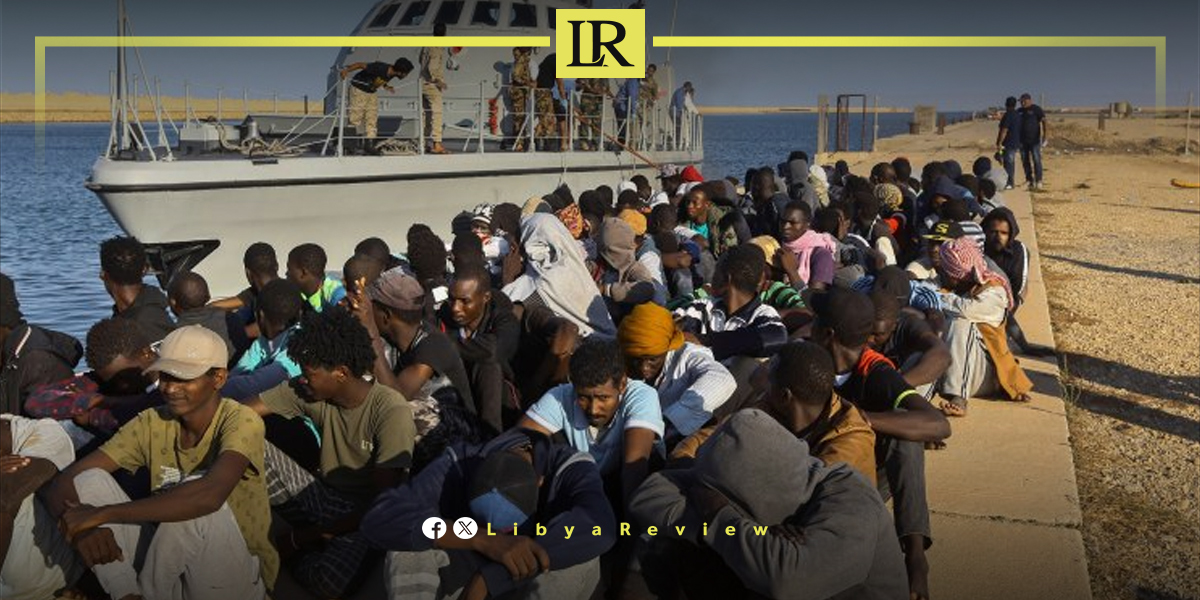
Greek authorities have rescued 59 migrants south of the island of Crete after they departed from Libya, highlighting the continued flow of irregular migration across the Mediterranean and the growing importance of the Libya-Greece route.
According to Greek authorities, the rescue operation took place approximately 46 nautical miles south of Crete. A vessel operated by the European Border and Coast Guard Agency, Frontex, participated in the operation alongside three commercial ships that assisted in locating and rescuing the migrants after they departed from North Africa.
The latest rescue comes amid a steady increase in migrant arrivals from Libya to the Greek island. Earlier this month, the Greek Coast Guard rescued 38 migrants off the coast of Ierapetra in southeastern Crete.
In a separate incident later that week, a 30-year-old Bangladeshi migrant died after being transferred to a hospital in Chania following a rescue operation, prompting an investigation by local authorities.
Crete has experienced a significant rise in migrant arrivals in recent months. According to available figures, nearly 8,000 migrants have reached the island aboard boats organized by smuggling networks, with most departures originating from eastern Libya. Last month alone, Greek and European authorities rescued around 400 migrants in waters near Crete over two days.
A recent report by the Global Initiative Against Transnational Organized Crime identified the expansion of human smuggling networks as one of the main drivers behind the increase in irregular sea crossings. The report indicated that a small number of families with longstanding maritime experience have expanded their activities from transporting legal and illicit goods to facilitating migrant smuggling operations.
The growing competition among smuggling networks has reportedly led to a sharp decline in crossing prices. While migrants previously paid between €2,100 and €3,500 for a journey, costs have fallen to between €340 and €1,450 in some cases, making the route more accessible to larger numbers of people.
The report also noted changes in smuggling methods, including the local production of boats instead of importing them and the increasing use of houses and apartments near departure points to accommodate migrants before departure.
Meanwhile, the European Union continues to support Libya’s border and migration management efforts through various funding programs. Between 2021 and 2027, the EU allocated at least €224 million to projects aimed at strengthening border management and addressing migration challenges.
According to the International Organization for Migration, more than 6,000 migrants were intercepted at sea and returned to Libya by the Libyan Coast Guard between the beginning of the year and mid-May, underscoring the scale of migration movements across the Central Mediterranean.

