
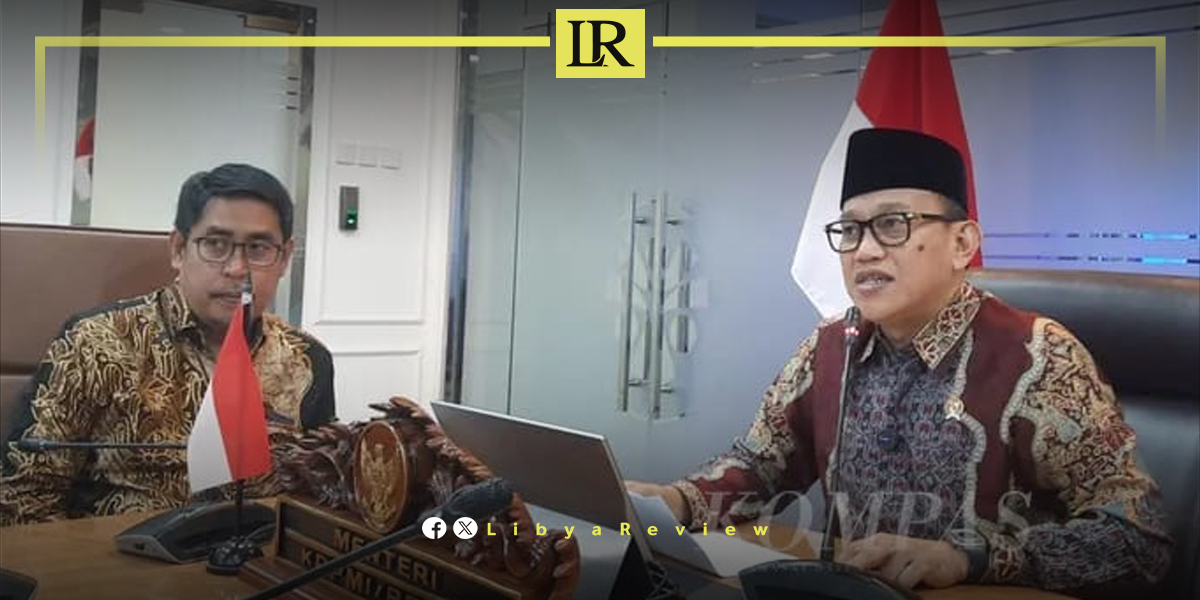

Indonesia has successfully repatriated one of its nationals who became a victim of human trafficking and illegal overseas employment in Libya, in a case that has renewed concerns over irregular migration routes and labour exploitation abroad, according to ANTARA newspaper.
The Indonesian Migrant Workers Protection Ministry announced that the victim, identified only by the initials AJ, returned safely to his hometown in Cianjur, West Java, after what officials described as a lengthy and complex repatriation process.
Speaking after a meeting with members of Indonesia’s House of Representatives on Friday, Indonesian Migrant Workers Protection Minister Abdul Kadir Karding Mukhtarudin said the government had worked with multiple parties to secure the man’s return from Libya.
“Thankfully, he returned home yesterday and has now reunited with his family in Cianjur,” the minister said, adding that AJ had agreed to help raise public awareness about the dangers of seeking employment abroad through illegal channels.
According to the minister, negotiations with several parties were required before the repatriation could be completed, including arrangements involving compensation payments to the victim’s employer.
Mukhtarudin said AJ had become a victim of both human trafficking and non-procedural labour migration, highlighting the risks faced by workers who travel overseas without official recruitment procedures or legal protections.
Based on AJ’s testimony, he was transferred repeatedly between employers while working abroad before eventually being able to return to Indonesia.
The Indonesian government believes that sharing AJ’s experience could help discourage others from using illegal migration routes or unlicensed recruitment agents when seeking work overseas.
The case also highlights Libya’s continuing role as a transit and destination country for migrants and foreign workers, many of whom face exploitation, abuse and trafficking risks amid ongoing security and governance challenges.
Libyan authorities, including the Government of National Unity led by Prime Minister Abdulhamid Dbeibah, have repeatedly pledged to combat human trafficking networks operating across the country, while international organisations continue to call for stronger protections for migrants and foreign workers in Libya.
Mukhtarudin stressed that Indonesia would continue supporting citizens who fall victim to trafficking or illegal labour placement abroad.
“We will continue to assist them, regardless of whether they are victims of trafficking or irregular migration. We hope there will be no more cases like AJ,” he said.