
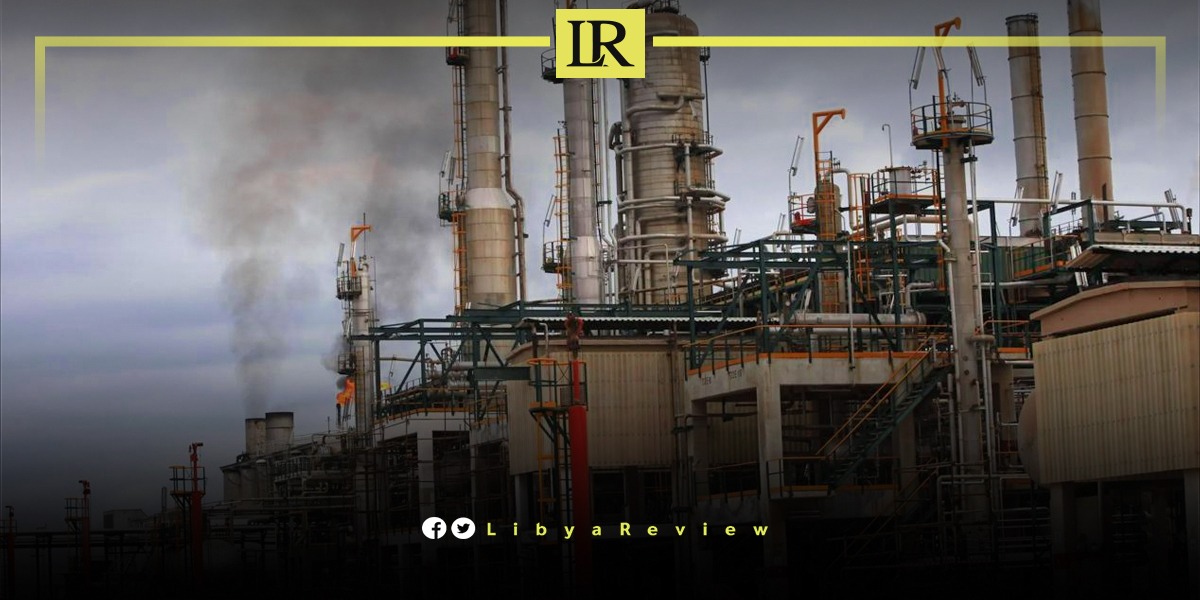
Libya’s natural gas exports to Italy fell by a staggering 75% during January and February 2025, compared to the same period in 2024, according to a report published by the Gas Exporting Countries Forum (GECF).
The sharp decline underscores the growing impact of Libya’s internal instability and global energy dynamics on its most vital economic sector.
The figures were reported by Italy’s Nova News Agency, which attributed the drop to a combination of domestic and external factors.
At the forefront are Libya’s fragile political situation, deteriorating infrastructure, and ongoing economic uncertainty, which have significantly disrupted the country’s gas production and export operations.
Libya supplies gas to Italy primarily through the Greenstream pipeline, a strategic asset that connects Libya’s Melitah complex on the western coast to southern Italy.
However, recent operational challenges, security concerns, and a lack of investment in maintenance and capacity upgrades have limited Libya’s ability to meet export targets.
In addition to internal constraints, global energy market fluctuations and geopolitical shifts have added pressure. As Europe seeks to diversify its energy sources following the war in Ukraine and reduce dependence on unstable suppliers, countries like Libya—already hampered by political fragmentation—face mounting difficulties in maintaining their roles as reliable partners.
The 75% drop in gas exports poses a major concern for Libya’s economy. Natural gas, alongside oil, is a crucial source of public revenue. Any reduction in export capacity threatens to widen the country’s fiscal deficit and further delay reconstruction and development efforts.
Experts warn that unless Libya addresses the root causes of its declining energy output—namely, the absence of unified governance, regulatory uncertainty, and deteriorating infrastructure—the country risks long-term marginalization in the Mediterranean energy market.

