
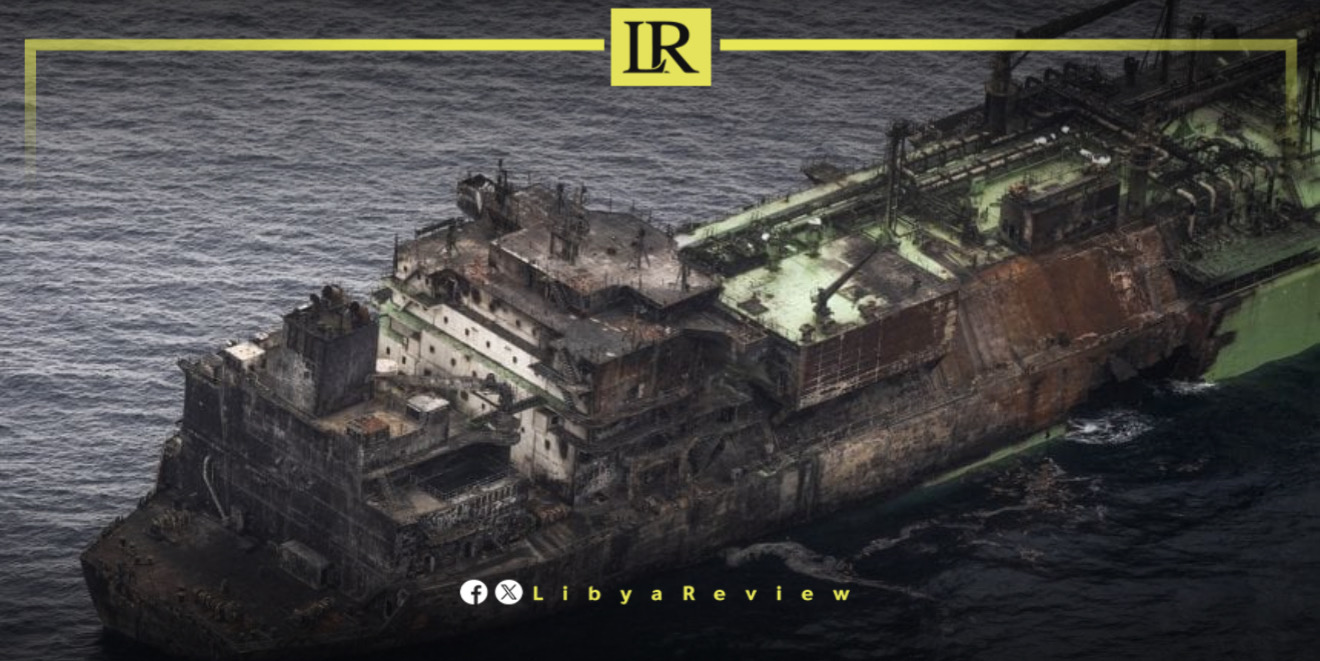
Libya has activated an urgent maritime response after a damaged Russian liquefied natural gas tanker, the Arctic Metagas, drifted closer to its coastline, raising safety and environmental concerns in the Mediterranean.
The Libyan Maritime Search and Rescue Coordination Centre confirmed it had initiated emergency procedures in line with international standards to manage the situation. The centre operates under the Libyan Coast Guard and Port Security Agency and is responsible for overseeing maritime safety operations.
According to an official statement, patrol units are actively monitoring the tanker’s movements after it lost control at sea. Authorities have also implemented precautionary measures to regulate maritime traffic and divert vessels away from the tanker’s projected path to ensure safe navigation in surrounding waters.
The statement, published by the Ministry of Defence of the Government of National Unity, highlighted ongoing coordination between national agencies to manage the situation effectively. Officials stressed the importance of maintaining readiness as the vessel approaches sensitive maritime zones.
Libyan authorities are particularly concerned about potential environmental risks, including fuel leakage or collision hazards, which could impact marine ecosystems and coastal infrastructure. Continuous monitoring is underway to assess any changes in the tanker’s condition.
The response reflects Libya’s commitment to international maritime obligations, particularly in safeguarding lives at sea and protecting the marine environment. Officials reiterated that all necessary measures are being taken to prevent escalation and minimise risks associated with the drifting vessel.
The incident comes amid heightened regional attention to maritime security in the Mediterranean, where damaged or uncontrolled vessels pose increasing risks to shipping lanes and coastal states.
Observers note that Libya’s swift activation of emergency protocols underscores the growing importance of coordinated maritime response capabilities, especially as strategic shipping routes near its coastline remain vital for regional and international trade.

