
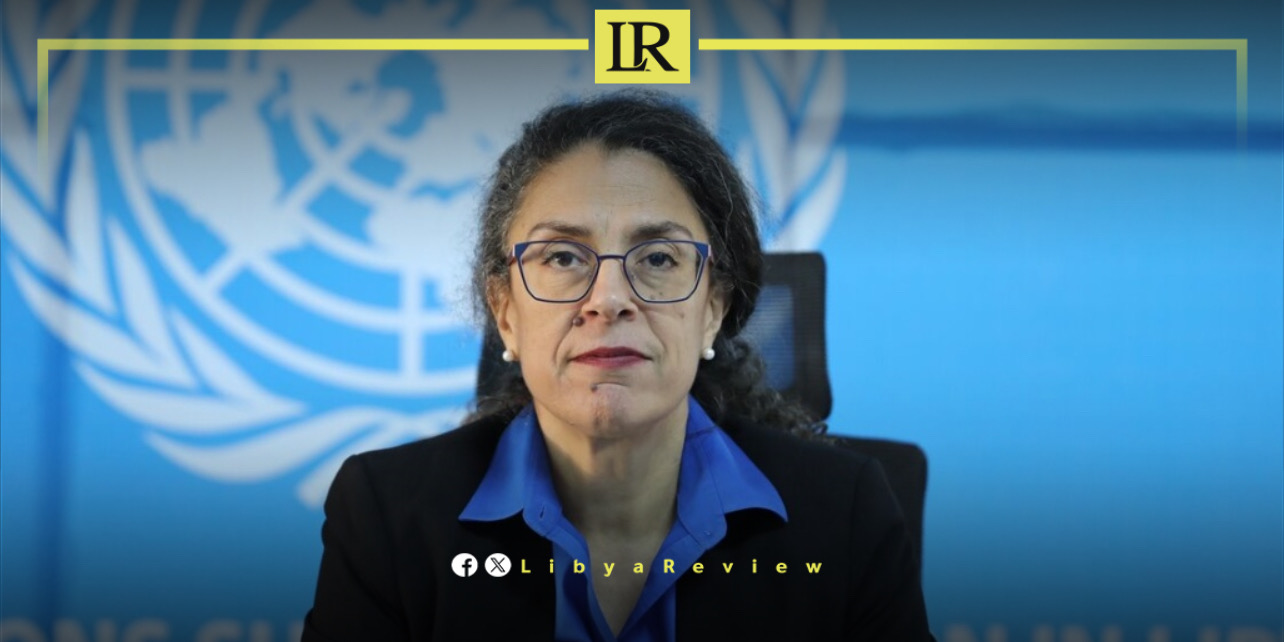
Stephanie Koury, Deputy Special Representative of the UN Secretary-General for Political Affairs in Libya, has rejected claims that the United Nations is involved in resettling migrants inside Libya, stressing that the UN’s role is limited to humanitarian assistance and protection activities carried out in coordination with Libyan authorities.
Speaking in an interview with Al-Masar TV, Koury said that allegations that the UN is implementing resettlement programs in Libya are inaccurate and do not reflect the mission’s mandate.
She emphasized that the UN does not grant Libyan citizenship and has no authority to determine who can permanently reside in the country.
Koury explained that there is a clear distinction between migrants and refugees, noting that refugees are individuals who cannot safely return to their countries because of conflict, war, persecution, or serious security threats.
In such cases, the UN Refugee Agency (UNHCR) works to provide protection and identify long-term solutions for affected individuals.
She added that when returning to a home country is impossible, UNHCR may seek alternative solutions, including resettlement in a third country.
However, she stressed that such programs do not involve settling refugees in Libya and are managed by specialized international agencies rather than the UN Support Mission in Libya (UNSMIL).
Koury also addressed humanitarian assistance provided to migrants and refugees, explaining that international organizations sometimes offer emergency support to people facing difficult living conditions. These services may include food assistance, healthcare, shelter, and other forms of humanitarian relief.
According to Koury, providing aid to vulnerable migrants and refugees should not be interpreted as a resettlement policy. She noted that such support is usually delivered in cooperation with Libyan institutions and relevant government authorities.
The UN official further pointed out that international organizations frequently support host communities that accommodate migrants and refugees.

