
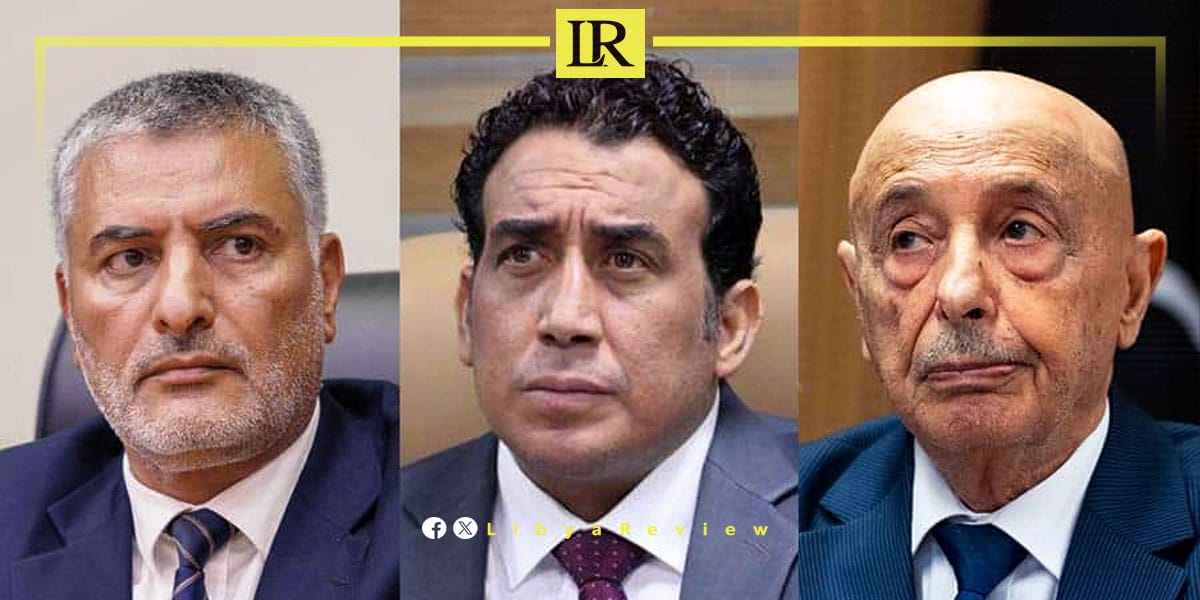
Libya’s rival political institutions have agreed on a joint roadmap paving the way for presidential and parliamentary elections to be held by 17 February 2027, in a renewed effort to end years of political division and unify state institutions.
The agreement was signed by the leaderships of the House of Representatives, the High Council of State (HCS), and the Presidential Council, according to the text of a principles document outlining a phased transition towards national elections.
The roadmap reaffirms commitment to Libya’s existing constitutional declaration and its amendments, as well as previous political agreements and understandings. It also calls for further development of the legal and constitutional framework governing elections in line with evolving political conditions.
Central to the plan is the completion of electoral legislation prepared by the “6+6” joint committee, alongside input from the advisory committee and outcomes of national dialogue processes, before submission to the House of Representatives for final approval.
The agreement also includes wider political and economic arrangements, including constitutional amendments, and steps toward unifying sovereign institutions under previously agreed frameworks.
It proposes the inclusion of key economic bodies, including the Libya Investment Authority and the National Oil Corporation, within the list of sovereign institutions subject to consensus-based governance arrangements.
The roadmap further recommends reforms to oil and gas governance, preparation of a unified national budget for 2027, and protection of Libya’s frozen overseas assets. It also rejects any arrangements perceived to undermine national sovereignty or the management of state resources.
A high-level sovereign committee is expected to be formed to oversee implementation of the electoral process and monitor preparations leading up to the vote.
The agreement marks one of the most structured attempts in recent years to set a fixed electoral timetable for Libya, where repeated efforts to hold national elections have stalled amid deep political and institutional divisions since 2011.

