
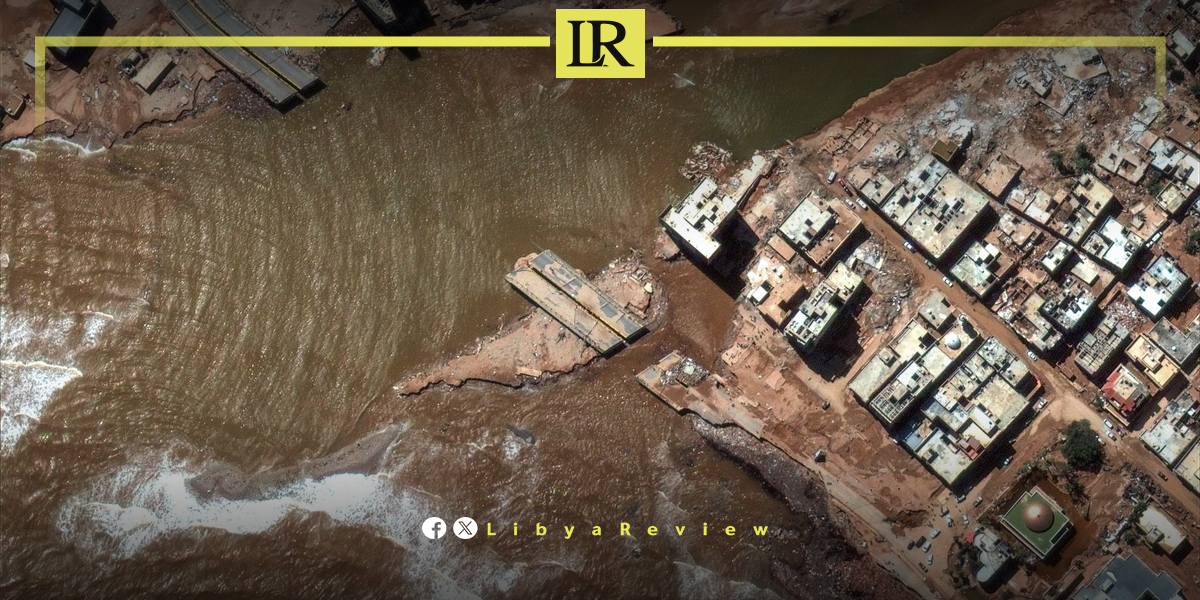
Authorities in Derna have identified 30 previously unknown victims of the devastating 2023 storm through DNA analysis, marking a significant step in ongoing efforts to account for those lost in one of Libya’s deadliest disasters.
The identifications were confirmed by the General Authority for Search and Identification of Missing Persons during a recent meeting of its scientific committee, chaired by Kamal Al-Siouy. The process relies on advanced DNA matching techniques to determine the identities of victims whose remains were previously unrecognized.
Among the 30 identified victims are individuals of different nationalities, including one Egyptian and one Sudanese national. The confirmed identities have been referred to the Office of the Public Prosecutor to complete the necessary legal procedures, including official documentation and notification of families.
Efforts to identify victims remain ongoing, as many cases are still unresolved. Authorities continue to collect samples and compare data in coordination with families of the missing, aiming to provide closure to those affected.
Storm Daniel, which struck eastern Libya in 2023, caused catastrophic destruction in Derna. According to the latest, still incomplete estimates, thousands of people were killed, while thousands more remain missing after floodwaters swept through the city. The disaster was exacerbated by the collapse of at least two dams, which unleashed massive torrents that destroyed entire neighborhoods and wiped out nearly a quarter of the coastal city.
The storm was named by the National Weather Service and was considered the first Mediterranean system linked to the 2023 Atlantic hurricane season. Initially classified as a tropical storm, it rapidly intensified due to increasing wind speeds and severe weather conditions, reaching levels comparable to a hurricane.
The scale of destruction left behind has made identification efforts particularly challenging, with many victims unrecognizable due to the power and impact of the floods. DNA technology has therefore become a critical tool in addressing one of the most difficult aspects of the disaster’s aftermath.

