
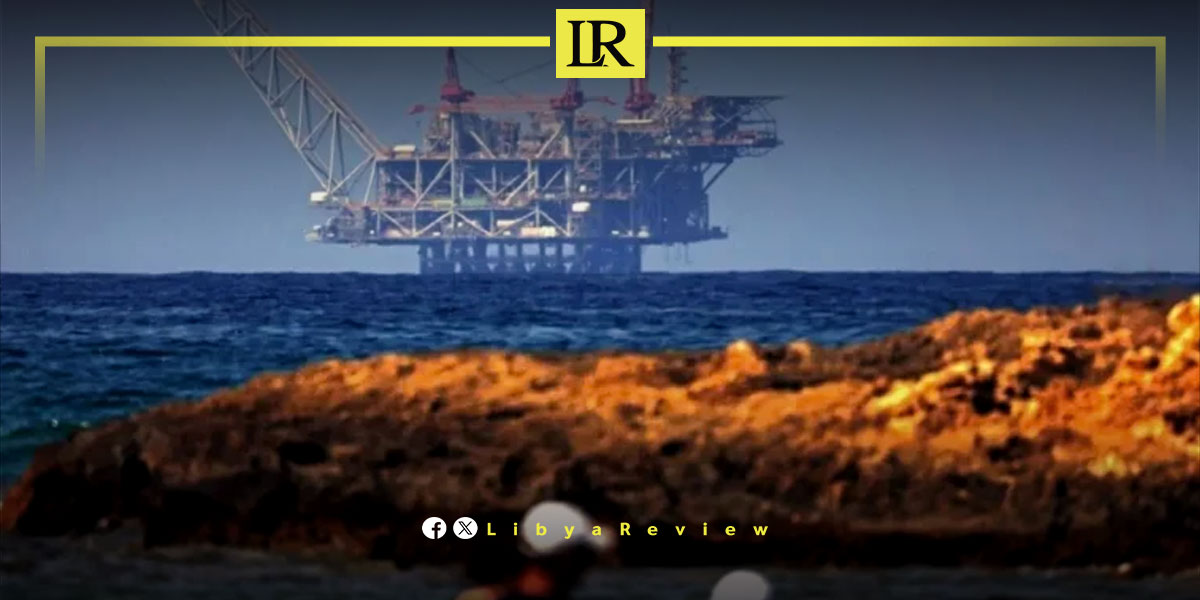
A newly signed offshore energy exploration agreement between Libya’s National Oil Corporation and a consortium of Turkish, European, and international energy companies has generated concern in Greece, where officials continue to oppose maritime claims linked to the controversial 2019 Turkey-Libya maritime memorandum.
The agreement, signed this week in Benghazi, covers an offshore exploration area of approximately 10,300 square kilometers off Libya’s coast.
The consortium includes Türkiye Petrolleri A.O. (TPAO) and Spain’s Repsol, each holding a 40 percent stake, alongside Italy’s Eni, Hungary’s MOL Group, and QatarEnergy.
Although the exploration zone lies south of areas claimed by Greece and does not overlap with licensed Greek offshore blocks south of Crete, the development has attracted significant attention in Athens.
Greek officials and analysts reportedly view the project as another indication of Turkey’s efforts to reinforce the maritime agreement signed with Libya in 2019, which Greece considers incompatible with international law.
Athens has long argued that the memorandum disregards the maritime rights of Greek islands and challenges established maritime boundaries in the Eastern Mediterranean. As a result, new energy projects involving Turkish participation in Libyan waters continue to be closely monitored by Greek policymakers, regardless of whether they directly affect Greek exploration zones.
The involvement of major European energy companies has also drawn attention. Analysts in Greece have expressed concern that companies from Spain, Italy, and Hungary are participating in projects connected to areas influenced by the Turkey-Libya maritime framework, reflecting the importance many European actors place on strategic and economic cooperation in the region.
The agreement comes as Libya seeks to revitalize its energy sector after years of limited exploration activity. Authorities hope new offshore investments will help boost production beyond the current level of approximately 1.3 to 1.4 million barrels per day and support broader efforts to expand the country’s oil and gas industry.
At the same time, international interest in Libya’s energy sector continues to grow. Major American companies, including ConocoPhillips, Chevron, and ExxonMobil, have either expanded their activities or explored new investment opportunities in the country.

